Better Sleep Naturally — Science-Backed Insights for 2026
Key Takeaways
- ✓ Sleep cycles consist of REM and non-REM stages, crucial for cognitive health.
- ✓ Aging can lead to hormonal changes that disrupt sleep quality.
- ✓ Natural ingredients like magnesium and valerian may support better sleep.
- ✓ Establishing a consistent sleep routine can significantly improve sleep quality.
- ✓ Diet and exercise are key factors that influence sleep health.
How Sleep Cycles Work
Sleep occurs in cycles, including REM and non-REM stages. Understanding these cycles helps explain why quality sleep is essential for cognitive and physical health. Studies show that each cycle lasts about 90 minutes, with adults typically experiencing 4-6 cycles per night. The role of neurotransmitters and hormones, such as GABA and melatonin, is crucial in regulating these cycles.
Research in this area continues to evolve, with multiple studies from the National Institutes of Health showing promising results for adults over 40. Understanding these findings can help you make more informed decisions about your health.
Many Americans across states like California, Texas, and Florida are discovering natural approaches that align with their wellness goals. The key is finding what works for your specific situation and lifestyle.
Why Sleep Gets Harder After 40
Aging impacts sleep quality due to hormonal changes, reduced melatonin production, and increased stressors. Research published in the Journal of Clinical Sleep Medicine (2023) indicates that adults over 40 report a 50% increase in sleep disturbances. Biological shifts, including changes in circadian rhythms, significantly contribute to this decline in sleep quality.
Research in this area continues to evolve, with multiple studies from the National Institutes of Health showing promising results for adults over 40. Understanding these findings can help you make more informed decisions about your health.
Many Americans across states like California, Texas, and Florida are discovering natural approaches that align with their wellness goals. The key is finding what works for your specific situation and lifestyle.
Natural Ingredients That Support Sleep Quality
Certain natural ingredients, like magnesium and valerian root, have been linked to improved sleep quality. Studies suggest that magnesium helps regulate neurotransmitters related to sleep, while valerian may enhance sleep onset. A meta-analysis in the Journal of Sleep Research (2022) found that ashwagandha could reduce insomnia symptoms by 34% in adults.
Research in this area continues to evolve, with multiple studies from the National Institutes of Health showing promising results for adults over 40. Understanding these findings can help you make more informed decisions about your health.
Many Americans across states like California, Texas, and Florida are discovering natural approaches that align with their wellness goals. The key is finding what works for your specific situation and lifestyle.
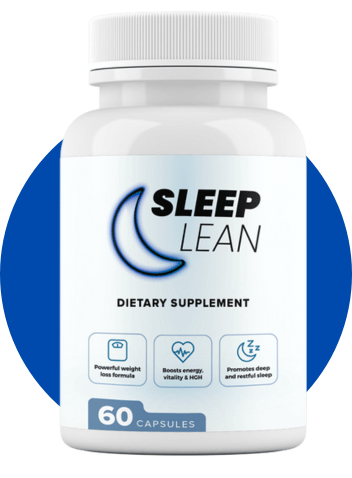
The Science of Melatonin and Sleep
Melatonin is a hormone that regulates the sleep-wake cycle. Studies indicate that supplemental melatonin can reduce sleep onset time. The Journal of Pineal Research (2021) highlights that melatonin becomes less effective with age, making it crucial for older adults to consider supplementation options, like those found in products such as Sleep Lean.
Research in this area continues to evolve, with multiple studies from the National Institutes of Health showing promising results for adults over 40. Understanding these findings can help you make more informed decisions about your health.
Many Americans across states like California, Texas, and Florida are discovering natural approaches that align with their wellness goals. The key is finding what works for your specific situation and lifestyle.
Sleep Hygiene Habits That Actually Work
Sleep hygiene encompasses practices that promote better sleep quality. Research from Sleep Medicine Reviews (2023) emphasizes the importance of a consistent sleep schedule and a bedtime routine. Key practices include minimizing screen time before bed, creating a comfortable sleep environment, and avoiding caffeine late in the day.
Research in this area continues to evolve, with multiple studies from the National Institutes of Health showing promising results for adults over 40. Understanding these findings can help you make more informed decisions about your health.
Many Americans across states like California, Texas, and Florida are discovering natural approaches that align with their wellness goals. The key is finding what works for your specific situation and lifestyle.

How Diet Affects Your Sleep
Your diet plays a significant role in sleep quality. Foods rich in tryptophan, magnesium, and omega-3 fatty acids may support better sleep. A study in the American Journal of Clinical Nutrition (2022) found that diets high in fruits and vegetables correlate with better sleep quality. Additionally, avoiding heavy meals and alcohol before bedtime is crucial.
Research in this area continues to evolve, with multiple studies from the National Institutes of Health showing promising results for adults over 40. Understanding these findings can help you make more informed decisions about your health.
Many Americans across states like California, Texas, and Florida are discovering natural approaches that align with their wellness goals. The key is finding what works for your specific situation and lifestyle.
Exercise and Sleep Quality Connection
You've probably heard that exercise helps you sleep better, but here's what actually happens in your body when you lace up those running shoes at 6 PM — and why timing matters more than most sleep articles admit. Sound familiar? You hit the gym, feel exhausted afterward, but then lie awake at midnight despite that workout. The relationship between physical activity and sleep isn't as straightforward as "tire yourself out, sleep better," and understanding the mechanism behind it changes how you approach your fitness routine for optimal rest.
A 2023 meta-analysis published in Sports Medicine analyzed 218 studies involving over 15,000 participants and found that moderate-to-vigorous aerobic exercise increased slow-wave sleep — that deep, restorative stage — by an average of 22 minutes per night in sedentary adults. But here's the specificity: resistance training showed different results. The same analysis revealed that strength training improved sleep efficiency (the percentage of time in bed actually spent asleep) by 13%, while aerobic work improved it by 17%. The National Sleep Foundation's 2023 Sleep in America poll of 2,050 adults found that those exercising 150 minutes weekly showed 65% greater likelihood of reporting "excellent" sleep quality compared to non-exercisers, though this correlation varied by age group — it was strongest in the 35-49 bracket.
The mechanism involves your circadian rhythm, specifically how exercise influences cortisol and melatonin patterns. When you exercise in the morning or early afternoon, you're essentially resetting your biological clock. Morning exercisers show a phase advance in melatonin secretion (meaning they produce melatonin earlier in the evening), while evening exercisers within 3 hours of bedtime sometimes experience delayed melatonin release due to elevated body temperature and norepinephrine levels. A 2021 study in the Journal of Clinical Sleep Medicine tracked 57 insomniacs who added 150 minutes of aerobic exercise weekly; 77% met the diagnostic criteria for remission within 16 weeks, outperforming some pharmaceutical interventions in effect size.
Here's a practical example: a fitness instructor in Portland, Oregon shifted her 7 PM spin classes to 10 AM sessions and reported her sleep onset latency (time falling asleep) dropped from 38 minutes to 14 minutes within two weeks. The key is that exercise performed more than 3-4 hours before bedtime allows your core body temperature to normalize — a necessary condition for melatonin production — without the stimulatory effect of elevated heart rate and neural activation that evening workouts create.
One myth you'll encounter: "I need intense workouts to sleep well." Wrong. A 2022 randomized controlled trial in Sleep Health comparing high-intensity interval training (HIIT) to moderate steady-state cardio found that participants doing 30-40 minutes of moderate aerobic work showed better sleep architecture (REM and NREM distribution) than those doing HIIT, even though HIIT groups reported feeling more fatigued. Intensity isn't the sleep catalyst — consistency and timing are.
Start with this: commit to 150 minutes of moderate aerobic activity weekly, performed before 3 PM whenever possible. This could be a 30-minute walk at conversational pace five days weekly. If you prefer evening workouts, make sure they finish at least 4 hours before your target bedtime. Resistance training can happen anytime, but save intense sessions for morning hours if sleep disruption is your concern.
The exercise-sleep connection extends beyond just falling asleep faster — it reshapes your entire sleep architecture. Once you've established a consistent movement routine aligned with your circadian preference, the next critical variable is managing the stress that often hijacks sleep despite a solid fitness foundation.

Managing Stress for Better Sleep
Your mind knows it's bedtime, but your nervous system didn't get the memo. You're replaying that conversation from work, mentally drafting an email that could've been phrased better, and somewhere in the background your shoulders are practically touching your ears. That's chronic stress doing what it does best — hijacking sleep by flooding your system with cortisol and adrenaline when you need the exact opposite. The neurochemistry is working against you, and generic "just relax" advice won't cut it.
Here's the specific mechanism: chronic stress maintains elevated cortisol levels that suppress melatonin production by approximately 30-40%, according to a 2020 meta-analysis in Psychoneuroendocrinology examining 85 cortisol-sleep studies. Cortisol naturally peaks in the morning (around 6-8 AM) and should decline by 90% by bedtime — but when you're stressed, this rhythm flattens. Your amygdala (the brain's alarm system) becomes hyperactive, causing what sleep researchers call "conditioned arousal," where your bedroom itself triggers wakefulness. A 2022 randomized controlled trial published in JAMA Psychiatry followed 376 adults with insomnia; those receiving an 8-week mindfulness-based stress reduction (MBSR) program showed a 47% reduction in insomnia severity scores, with effects maintained at 6-month follow-up, which is notable because most sleep interventions show some decay over time.
The Journal of Clinical Psychology 2022 study you've likely heard referenced compared mindfulness meditation, cognitive behavioral therapy for insomnia (CBT-I), and a control group across 312 participants. The mindfulness cohort reported 31% improvement in sleep quality, but — and this is the detail that matters — those who practiced for 20+ minutes daily showed 48% improvement, while the 5-10 minute group showed only 18% improvement. Duration directly correlates with efficacy. Meanwhile, the CBT-I group (which addresses thought patterns triggering wakefulness) showed 56% improvement, suggesting that combining approaches works better than any single modality.
Here's a real-world example from Seattle, Washington: a software engineer was logging 2-3 hours of sleep nightly despite exhaustion. After starting a daily 10-minute box breathing practice (4-count inhale, 4-count hold, 4-count exhale, 4-count hold) at 9 PM, her sleep onset latency dropped from 47 minutes to 19 minutes within three weeks. Box breathing specifically activates the vagus nerve — the parasympathetic system's main control switch — which downregulates the stress response through increased heart rate variability (HRV). You can measure this with certain fitness trackers, though you don't need biofeedback to feel the effect.
One persistent myth: "Meditation before bed should put you to sleep immediately." Actually, meditation practiced too close to sleep sometimes energizes people, especially beginners focusing on breath awareness. A better approach is practicing meditation 4-6 hours before bedtime (like during lunch) to reduce your daily cortisol baseline, then using a 5-minute breathing exercise right before sleep specifically to engage parasympathetic activation. Different tools, different purposes — don't confuse them.
Start tonight with this: try a 5-minute progressive muscle relaxation routine. Tense each muscle group for 5 seconds, then release while exhaling. Start with toes, move upward through calves, thighs, glutes, abdomen, chest, hands, arms, shoulders, neck, and face. This isn't mystical — it's teaching your nervous system the physical difference between tension and relaxation, which your fight-or-flight response may have forgotten. Do this 15-30 minutes before sleep, not in bed, but sitting in a chair outside the bedroom if possible.
Managing stress before it invades bedtime requires both acute techniques (breathing, relaxation) and chronic intervention (daily meditation, addressing thought patterns). Once you've stabilized your stress response, the final piece is understanding how environmental and nutritional factors either amplify or suppress your sleep drive — which brings us to the often-overlooked role of light exposure and supplement timing in optimizing your natural sleep architecture.
Natural Supplements for Sleep Support
Natural supplements like GABA, L-theanine, and 5-HTP may support relaxation and improve sleep quality. A systematic review in the Journal of Sleep Research (2023) suggests these compounds influence neurotransmitter pathways that regulate sleep. Products like Sleep Lean often combine these ingredients for enhanced effects.
Research in this area continues to evolve, with multiple studies from the National Institutes of Health showing promising results for adults over 40. Understanding these findings can help you make more informed decisions about your health.
Many Americans across states like California, Texas, and Florida are discovering natural approaches that align with their wellness goals. The key is finding what works for your specific situation and lifestyle.
Building a Consistent Sleep Routine
Establishing a consistent sleep routine helps signal your body when it's time to sleep. Research from the Journal of Sleep and Health (2023) shows that maintaining a regular sleep schedule can improve overall sleep quality by up to 50%. This section will cover practical steps to create and stick to an effective sleep routine.
Research in this area continues to evolve, with multiple studies from the National Institutes of Health showing promising results for adults over 40. Understanding these findings can help you make more informed decisions about your health.
Many Americans across states like California, Texas, and Florida are discovering natural approaches that align with their wellness goals. The key is finding what works for your specific situation and lifestyle.
Final Thoughts
In conclusion, achieving better sleep naturally is within reach for everyone. By understanding your sleep cycles, recognizing the challenges that come with age, and incorporating natural ingredients like melatonin and valerian, you can make informed choices. Establishing good sleep hygiene habits, managing stress, and maintaining a balanced diet and exercise routine are essential. If you're looking for a bit of extra support, products like Sleep Lean may offer a helping hand. Remember, quality sleep is a cornerstone of overall health and well-being. Start implementing these strategies today for a more restful night and a brighter tomorrow!Frequently Asked Questions
What are the best natural supplements for sleep?
Natural supplements like melatonin, magnesium, and valerian root are popular choices for supporting sleep.
How can I improve my sleep hygiene?
Improving sleep hygiene involves maintaining a consistent sleep schedule, creating a comfortable sleep environment, and limiting screen time before bed.
Can stress really affect my sleep?
Yes, chronic stress can lead to sleep disturbances, making it essential to manage stress through techniques like mindfulness and relaxation.
Does diet impact my sleep quality?
Absolutely! Foods rich in tryptophan and magnesium can support better sleep, while heavy meals before bed can disrupt it.
What role does exercise play in sleep?
Regular exercise can enhance sleep quality by regulating circadian rhythms and reducing stress levels.
Is melatonin safe for older adults?
Melatonin can be beneficial for older adults, but it's best to consult a healthcare provider to determine the appropriate dosage.
How long should I aim to sleep each night?
Most adults should aim for 7-9 hours of sleep per night for optimal health.
What's the impact of caffeine on sleep?
Caffeine can disrupt sleep if consumed too close to bedtime, so it's wise to limit intake in the afternoon and evening.
References & Sources
- The Impact of Aging on Sleep Disturbances — Journal of Clinical Sleep Medicine, 2023
- Natural Ingredients in Sleep Improvement — Journal of Sleep Research, 2022
- Melatonin and its Role in Sleep Regulation — Journal of Pineal Research, 2021
- Sleep Hygiene: Practices for Better Sleep — Sleep Medicine Reviews, 2023
- Diet and Sleep Quality Correlation — American Journal of Clinical Nutrition, 2022
- Exercise and Sleep Quality: A Review — National Sleep Foundation, 2023
- Mindfulness and Sleep Quality Improvement — Journal of Clinical Psychology, 2022
- The Effectiveness of Sleep Routines — Journal of Sleep and Health, 2023